Computing
Intent
At Hetton Lyons Primary School, our computing curriculum is deliberately designed to equip pupils with the knowledge, skills, and understanding they need to succeed in an increasingly digital world, underpinned by our curriculum drivers of aspiration, endeavour, and expression.
In line with the National Curriculum for Computing, our intent is that all pupils develop a secure understanding of computer science, including algorithms, programming, and data representation, while learning to think computationally and solve problems logically. Equally, pupils gain confidence in information technology, creating, organising, and refining digital content across a range of media, and in digital literacy, using technology safely, respectfully, and responsibly.
From the Early Years Foundation Stage, computing is embedded through the EYFS Technology strand, where children explore digital devices, use technology purposefully to support learning and creativity, and begin developing problem-solving and collaboration skills. Across the school, our curriculum promotes aspiration by inspiring pupils to see themselves as capable digital learners, endeavour by fostering resilience and persistence when tackling challenges, and expression by encouraging creativity and effective communication using technology. The intent is clearly sequenced to ensure progression of knowledge and skills from EYFS through Key Stage 2, providing a firm foundation for lifelong digital competence.
Implementation
At Hetton Lyons Primary School, computing is implemented through a carefully sequenced and progressive curriculum that ensures full coverage of the National Curriculum objectives, while building on EYFS foundations.
In the Early Years, children explore technology through play-based and adult-guided activities, using devices such as tablets, cameras, and programmable toys to develop curiosity, confidence, and early problem-solving skills.
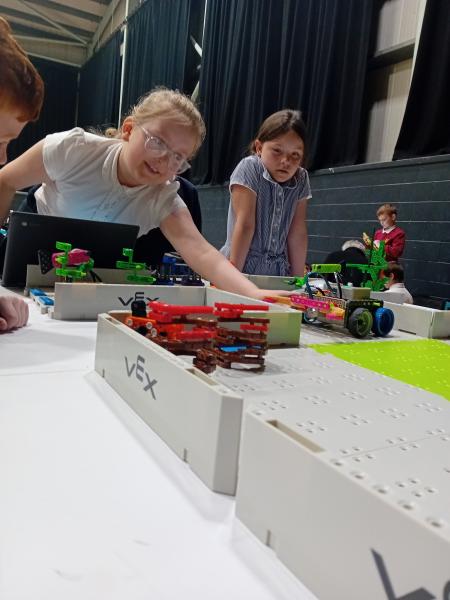
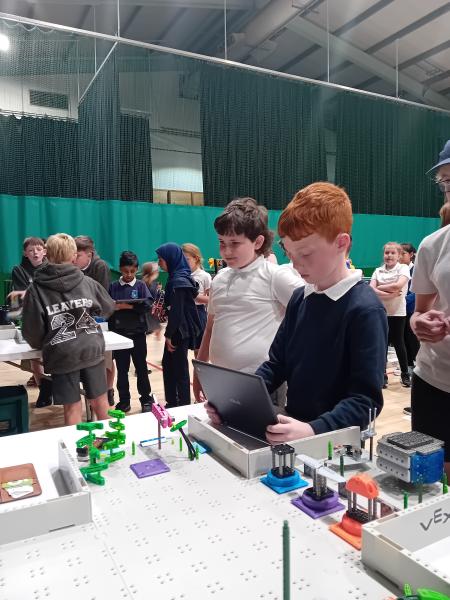
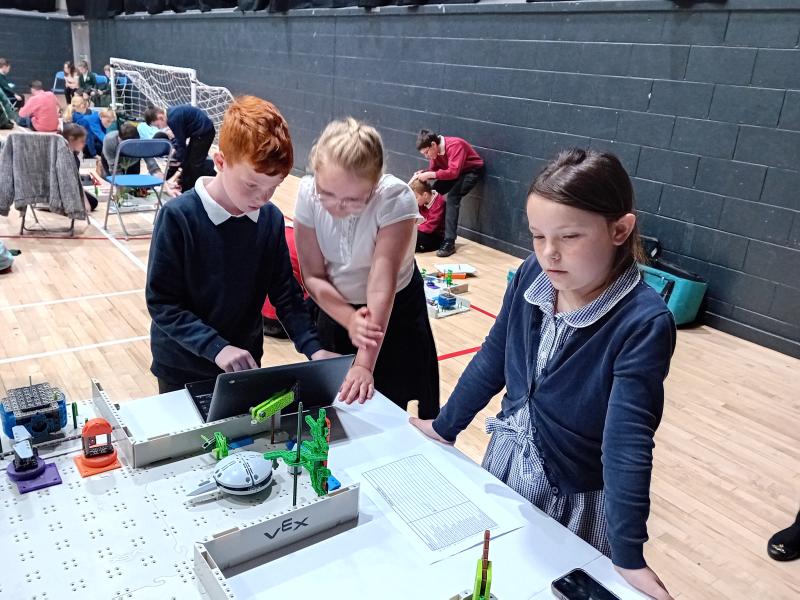
In Key Stages 1 and 2, the curriculum is structured around the three strands of computing: computer science, information technology, and digital literacy, providing regular opportunities for hands-on programming, logical reasoning, and the creation of digital content. Online safety is explicitly taught and revisited during PSHE lessons, ensuring pupils understand how to keep themselves and others safe online. The curriculum is adapted to address emerging issues, such as new apps or online platforms that pupils may be accessing at home.
Teachers model endeavour through structured problem-solving and promote debugging as a positive learning process. Cross-curricular projects provide meaningful contexts for applying skills, encouraging expression through creativity, collaboration, and presentation of work. Challenge is carefully pitched to support aspiration, and tasks are sequenced so pupils consolidate previous knowledge while progressively developing technical competence. The curriculum is monitored for coverage, engagement, and progression, ensuring pupils gain confidence and independence in using digital technologies effectively.
Impact
The computing curriculum at Hetton Lyons Primary School ensures pupils leave as confident, capable, and responsible digital citizens, demonstrating our curriculum drivers of aspiration, endeavour, and expression in their learning and outcomes.
By the end of each key stage, pupils meet or exceed the National Curriculum expectations, showing secure understanding of computational thinking, programming, data representation, and digital systems. They can independently create, evaluate, and refine digital content, solve problems logically, and use technology safely and responsibly. Pupils demonstrate aspiration through recognition of computing’s relevance to future learning, careers, and everyday life, while endeavour is evident in their resilience, perseverance, and growth mindset when tackling technical challenges. Through collaborative projects, cross-curricular applications, and creative outcomes, pupils exhibit expression, using technology to communicate effectively and showcase understanding.
In EYFS, children transition confidently into Key Stage 1 with positive attitudes towards learning and technology. Evidence from assessment, monitoring, and pupil voice shows that pupils engage enthusiastically, consolidate skills securely, and develop the knowledge and confidence to thrive in a dynamic digital world, fully prepared for the next stage of education and lifelong learning.
Files to Download