Art
Intent
At Hetton Lyons Primary School, Art and Design is taught in line with the National Curriculum and is underpinned by the key drivers of aspiration, endeavour and expression. We inspire pupils to be creative, confident artists who take pride in their work and value the creative process.
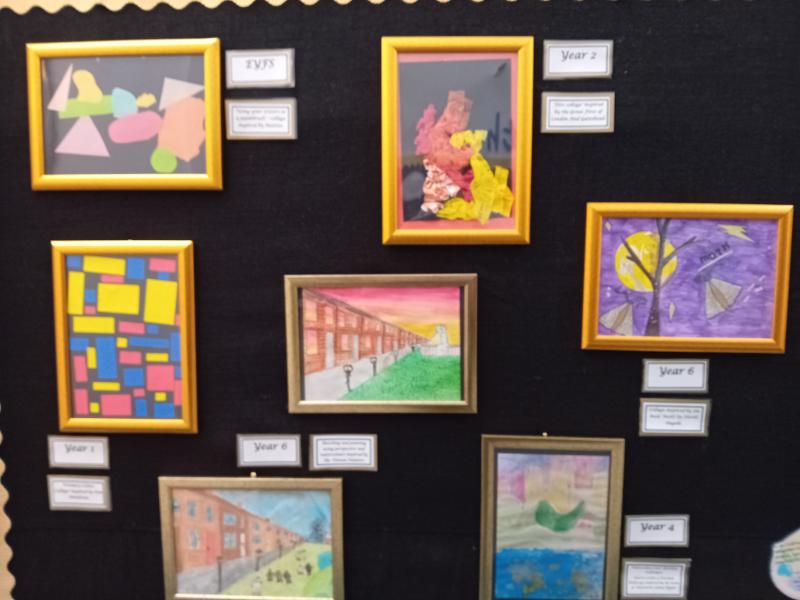
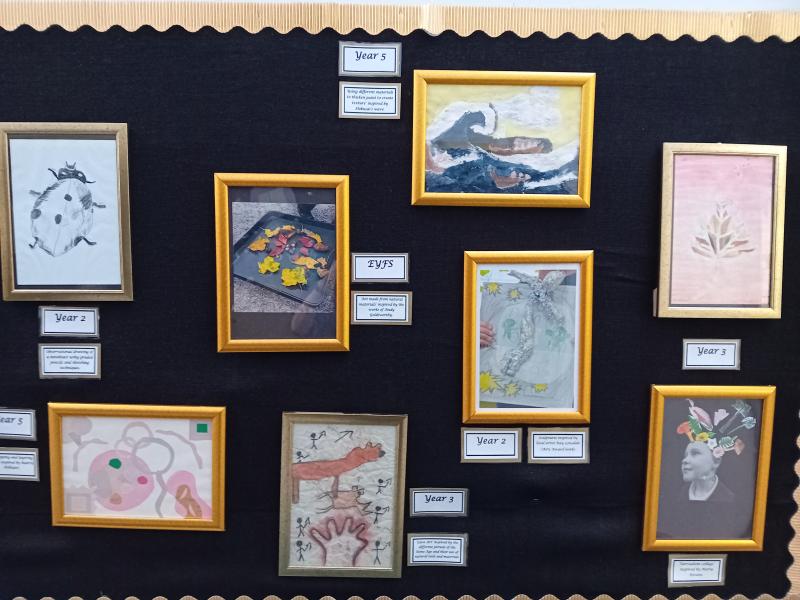
By the end of Key Stage 2, pupils will have developed skills in drawing, painting, sculpture, collage and printing. They will learn about artists and designers from a range of cultures and periods, including creating opportunities through our local cultural heritage, and use this knowledge to plan, create, evaluate and refine their own artwork using appropriate vocabulary.
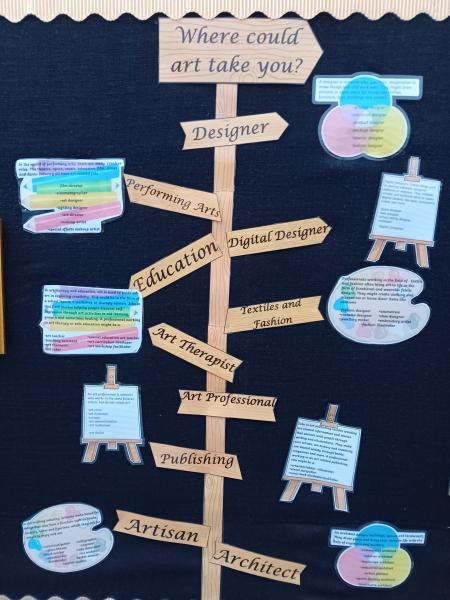
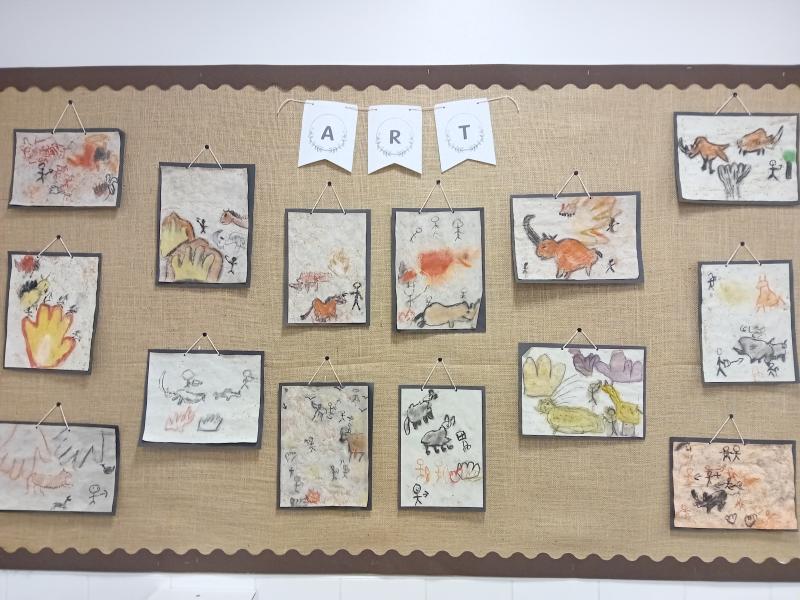
We aim to promote high levels of self-esteem among our pupils and celebrate their success and progress in class, in assemblies and across school. Art and Design is important because it develops creativity, wellbeing, resilience, self-confidence and self-expression. It encourages cultural awareness. Pupils are encouraged to aspire to do their best and to show endeavour by working hard and persevering. By focussing on potential careers linked to Art and Design, we raise aspirations for future learning and employment opportunities. Art and Design helps to develop resilience and crucial problem-solving skills, and it allows pupils to express themselves clearly and confidently by sharing ideas, listening carefully and communicating through visual art.
Implementation
Our Art and Design curriculum is shaped by our school vision, which aims to ensure that all children—regardless of background, ability or additional needs—are supported to flourish and achieve their very best. Teaching is inclusive, adaptive and carefully sequenced so that knowledge and skills build progressively over time.
Learning is underpinned by our key drivers of aspiration, endeavour and expression. Children are encouraged to express themselves freely, take creative risks and view mistakes as valuable opportunities for problem-solving and growth. Through high-quality teaching, pupils are inspired to work hard, persevere and take pride in their creative journey.
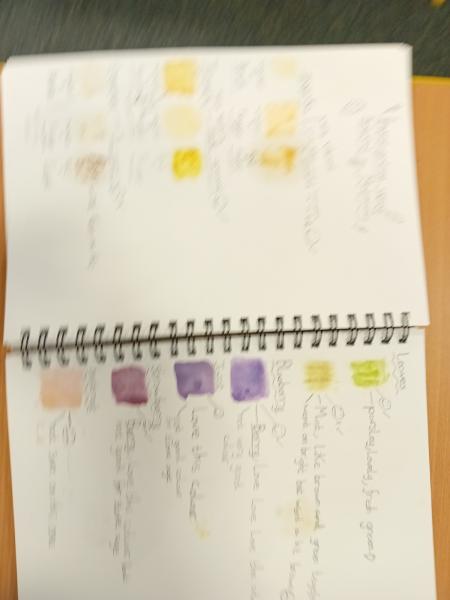
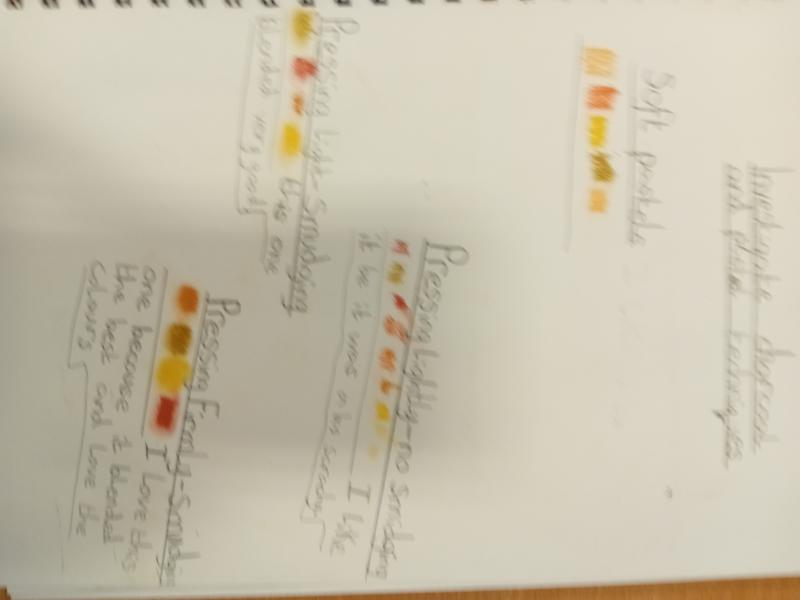
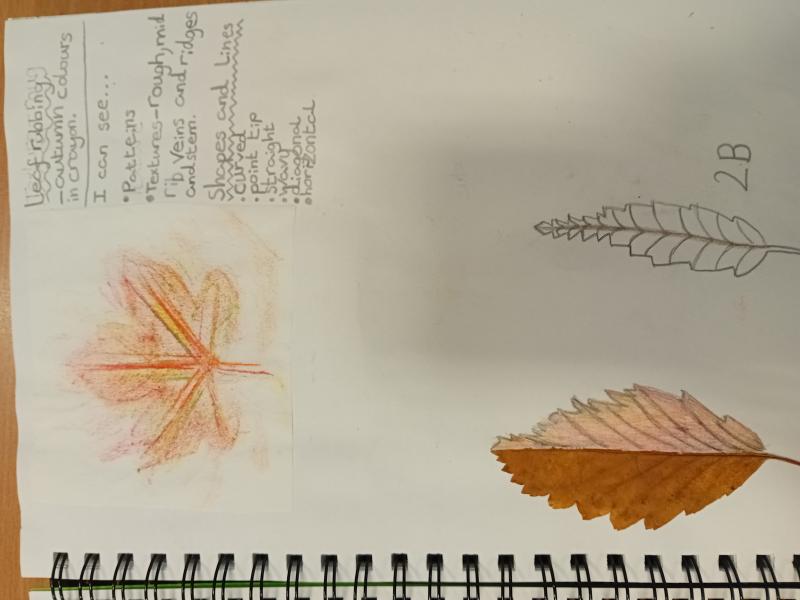
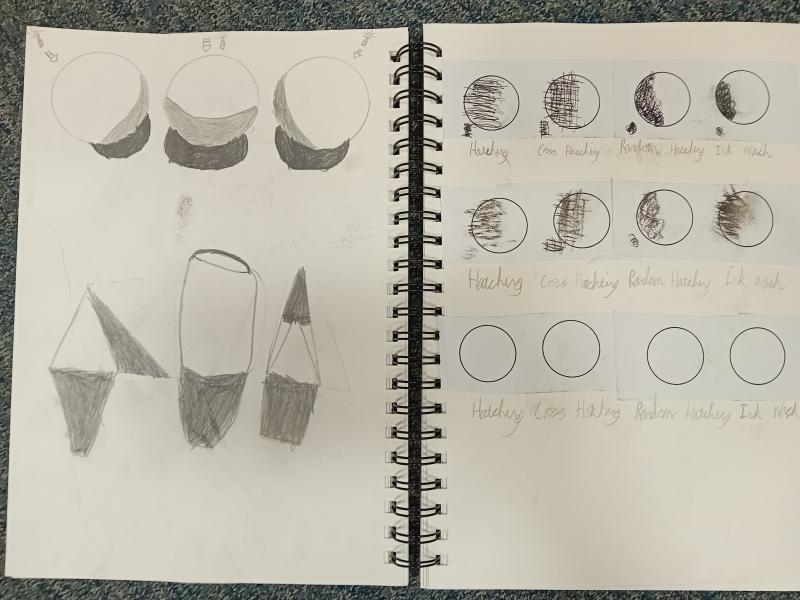
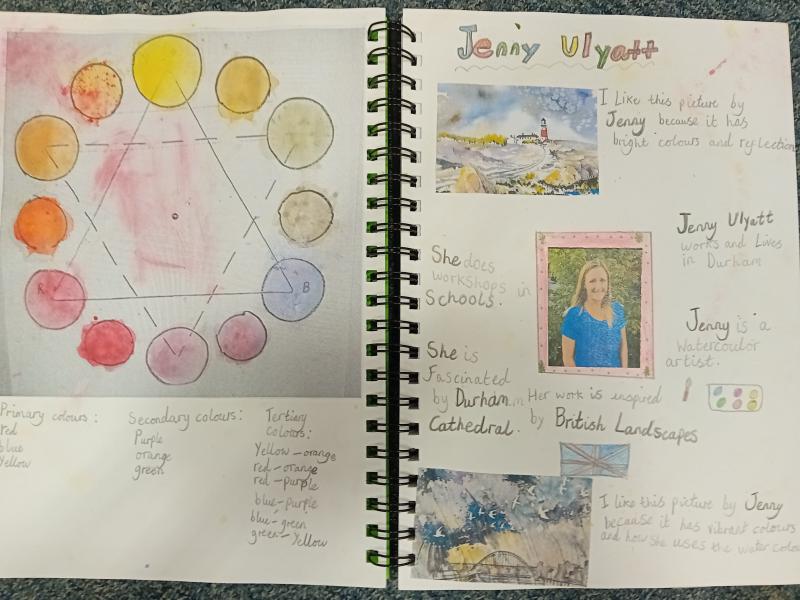
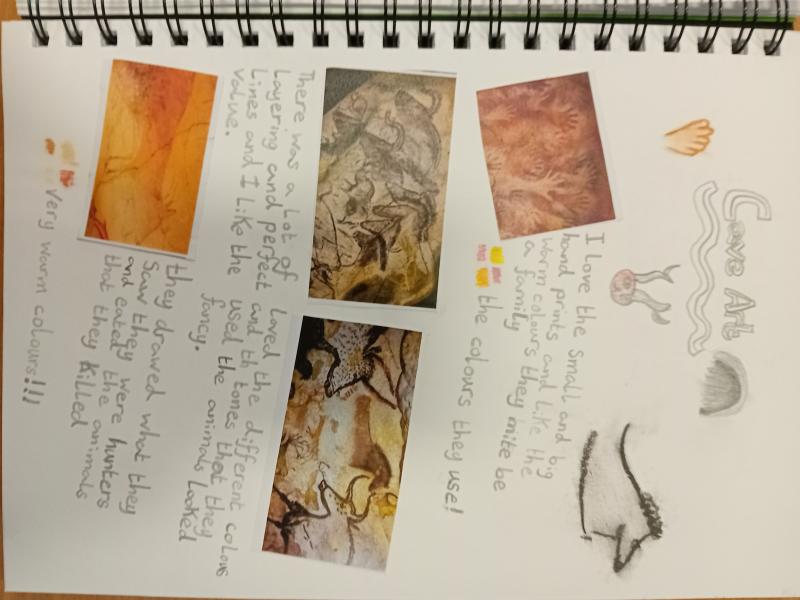
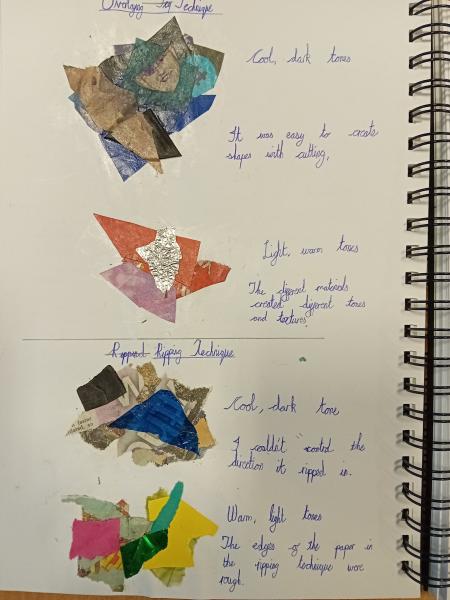
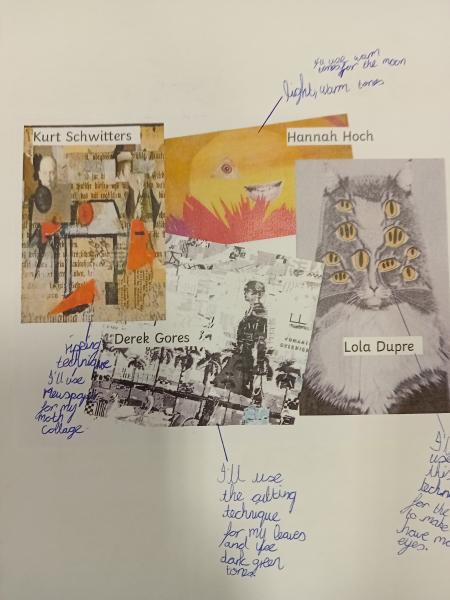
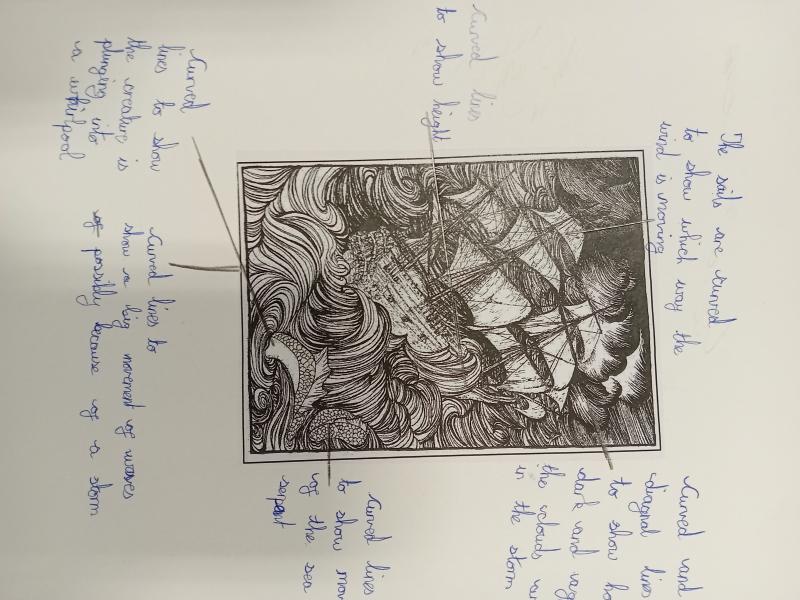
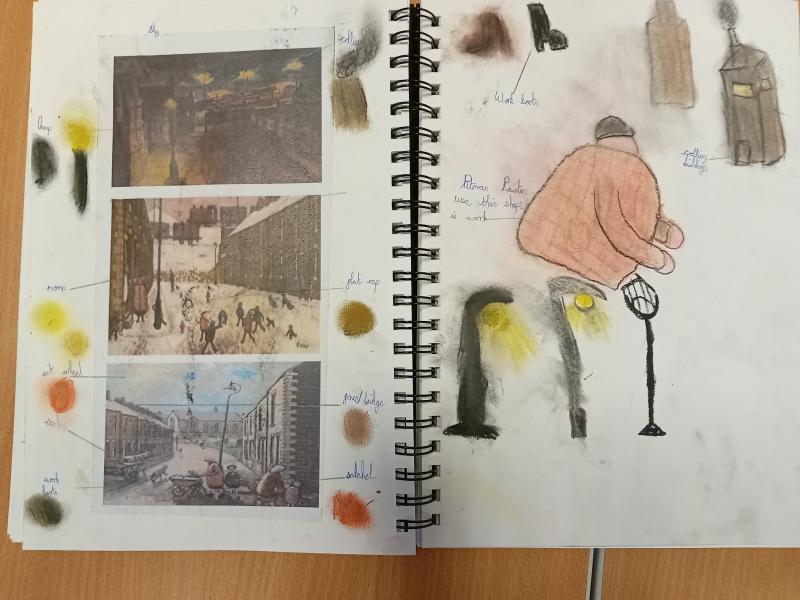
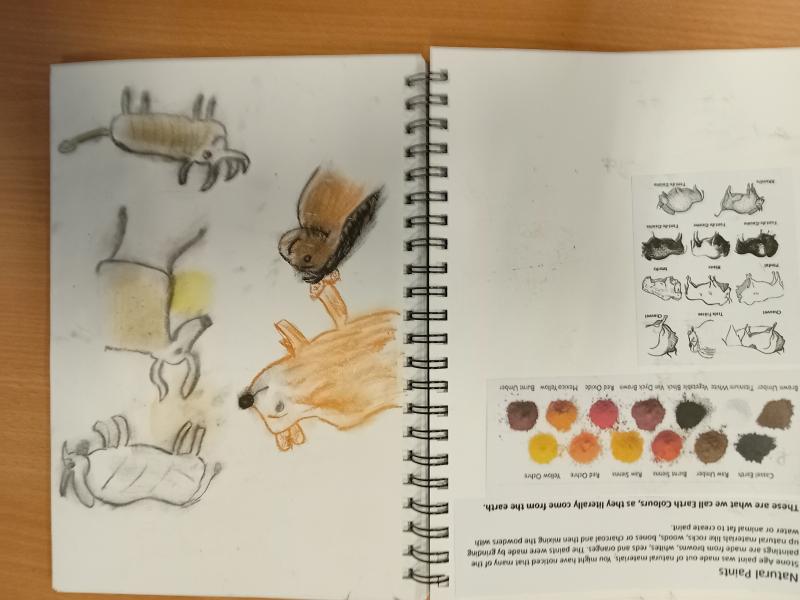
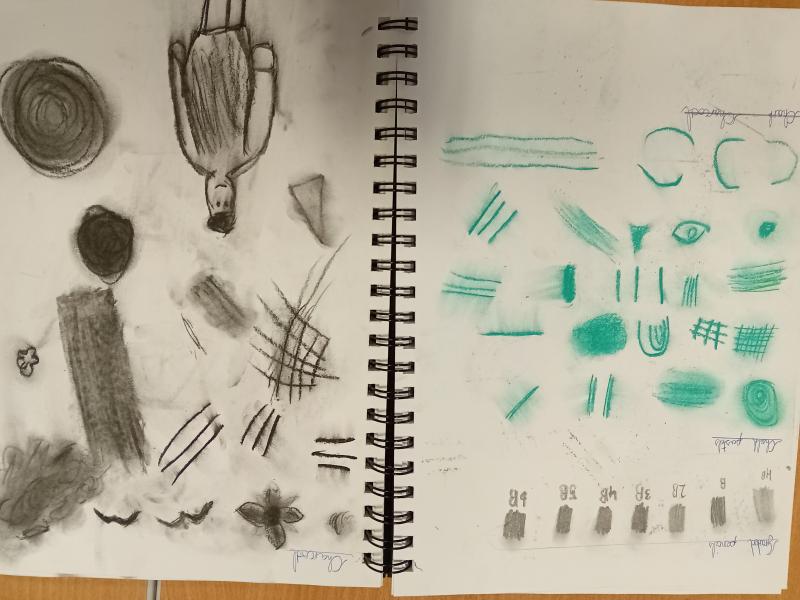
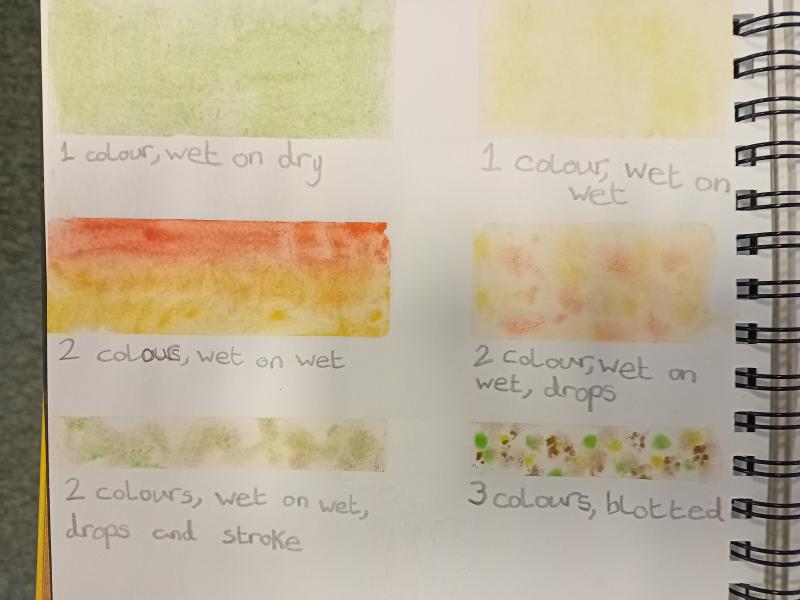
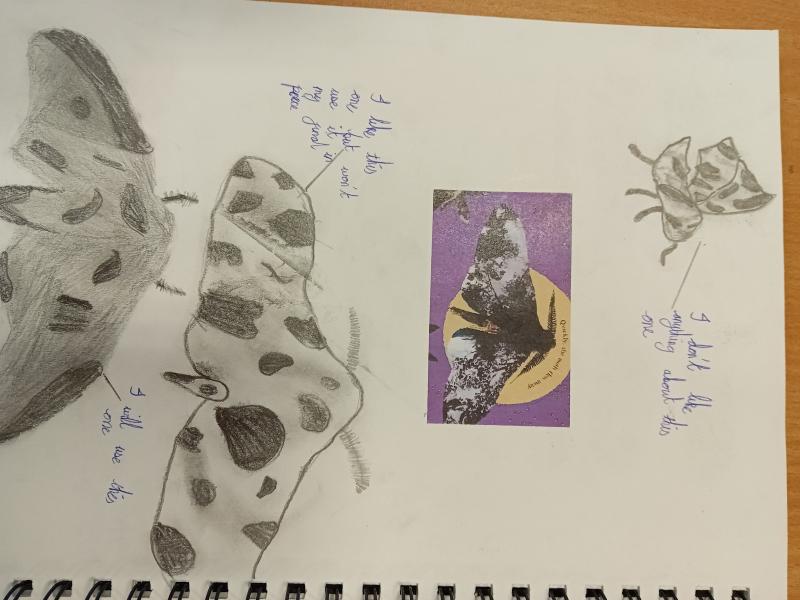
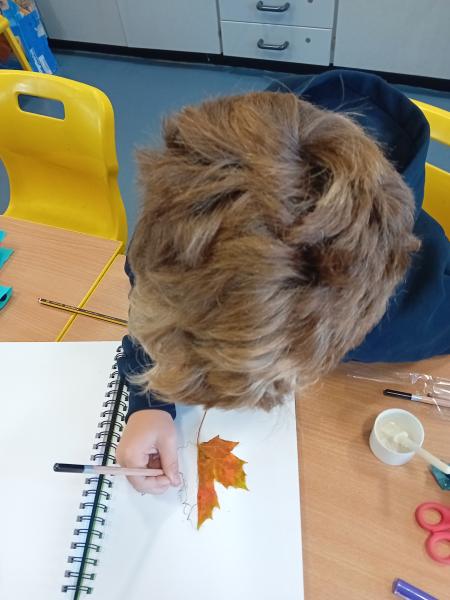
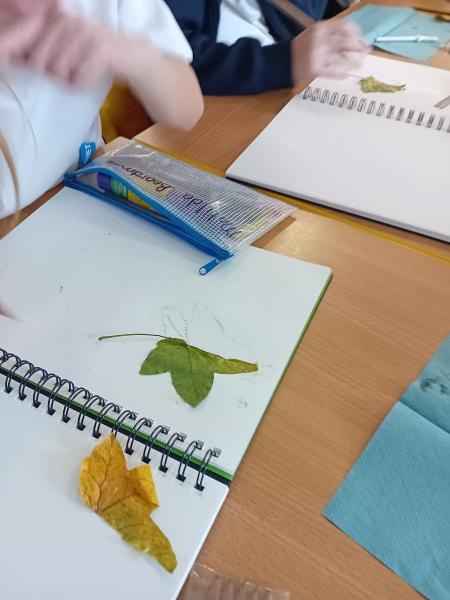
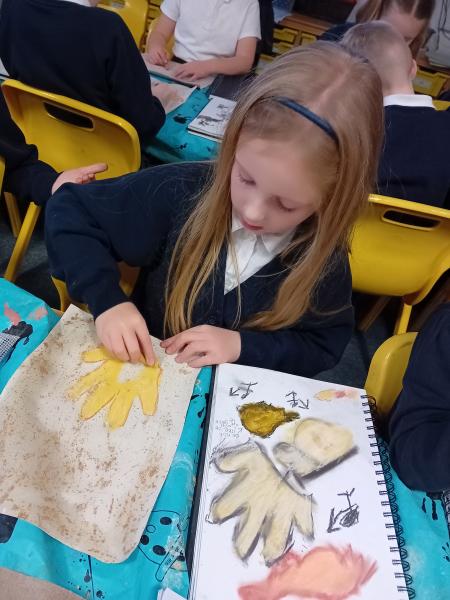
From Year 2 to Year 6, experimentation and investigation of skills in sketchbooks are central to teaching and learning. These sketchbooks provide a continuous visual record of pupils’ creative journeys and understanding, where ideas are explored, techniques practised and outcomes refined. Over time, children develop the ability to reflect, evaluate, annotate and adapt their work with greater independence, with progression clearly evidenced through their sketchbooks.
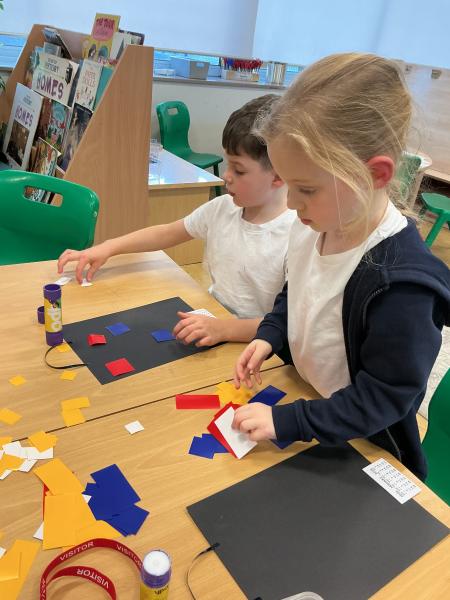
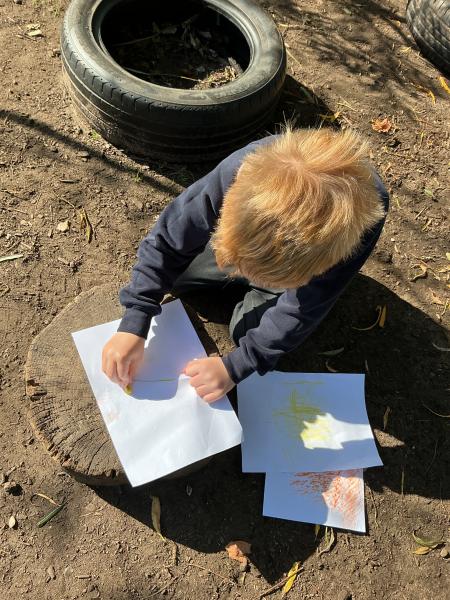
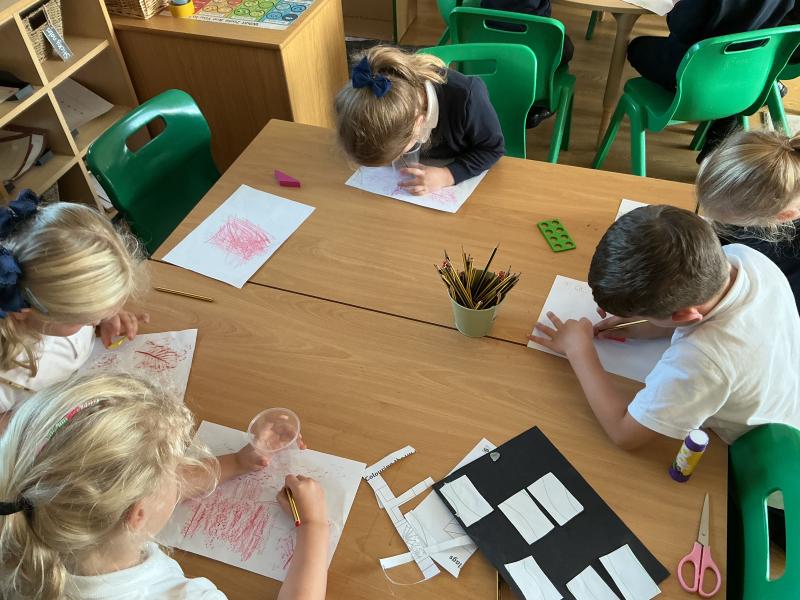
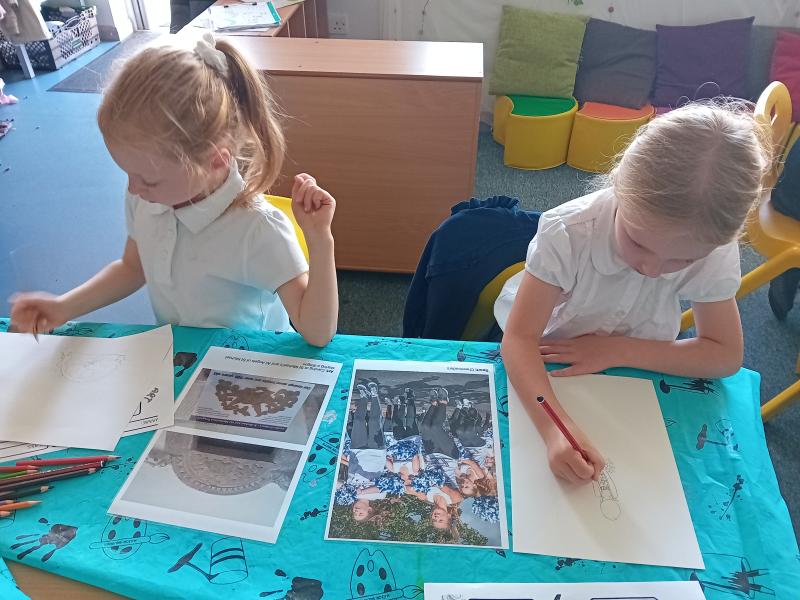
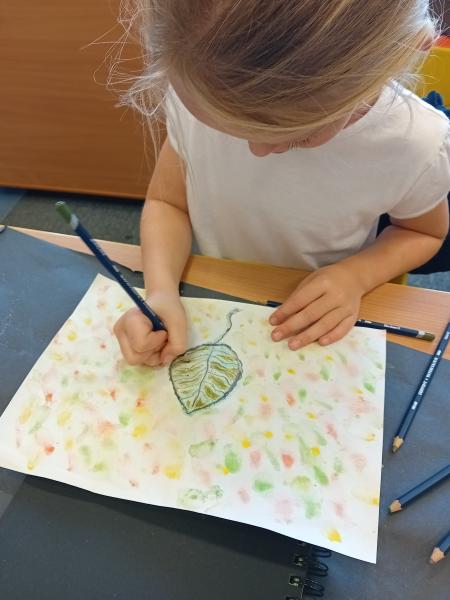
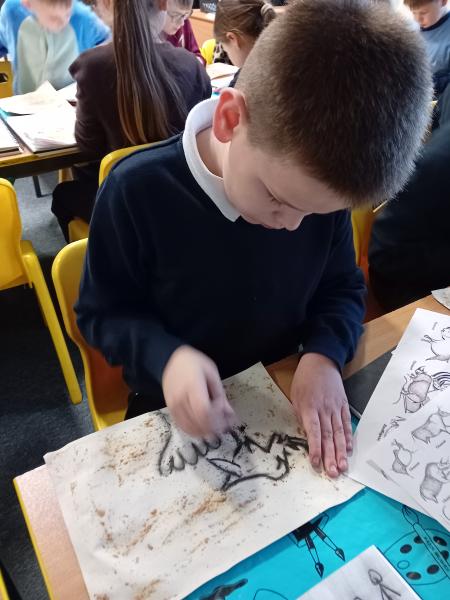
From EYFS to Year 6, children develop drawing skills in a carefully sequenced progression aligned to the National Curriculum. In EYFS, children explore mark-making through play, developing fine motor control and using drawing to express ideas and experiences. In Key Stage 1, they gain confidence and control, drawing from observation, imagination and memory while exploring line, shape, pattern and simple texture. In Lower Key Stage 2, children build technical skill by using sketchbooks to develop ideas, draw with increasing detail and proportion, apply shading to show tone and begin to understand scale and perspective. In Upper Key Stage 2, pupils refine and apply their skills independently, using line, tone, texture and perspective with accuracy, experimenting with a range of media and developing a personal style influenced by artists, while evaluating and adapting their work using appropriate vocabulary.
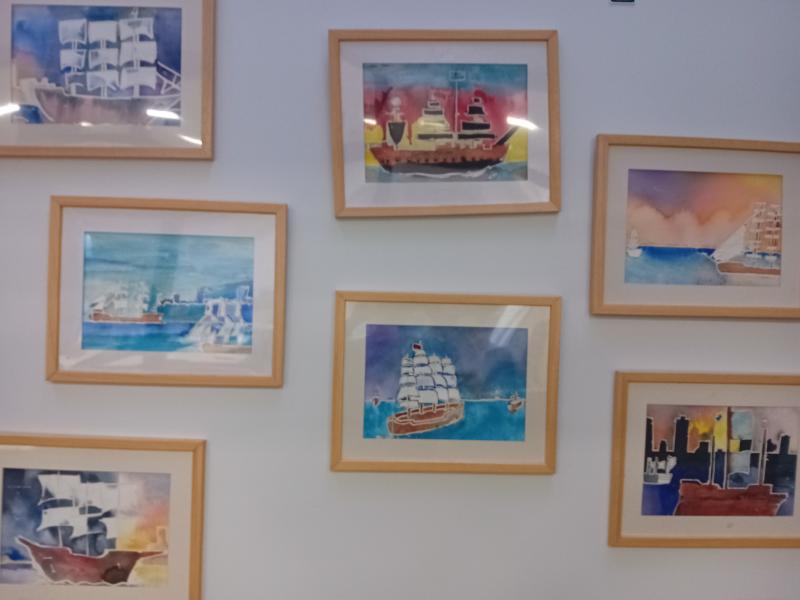
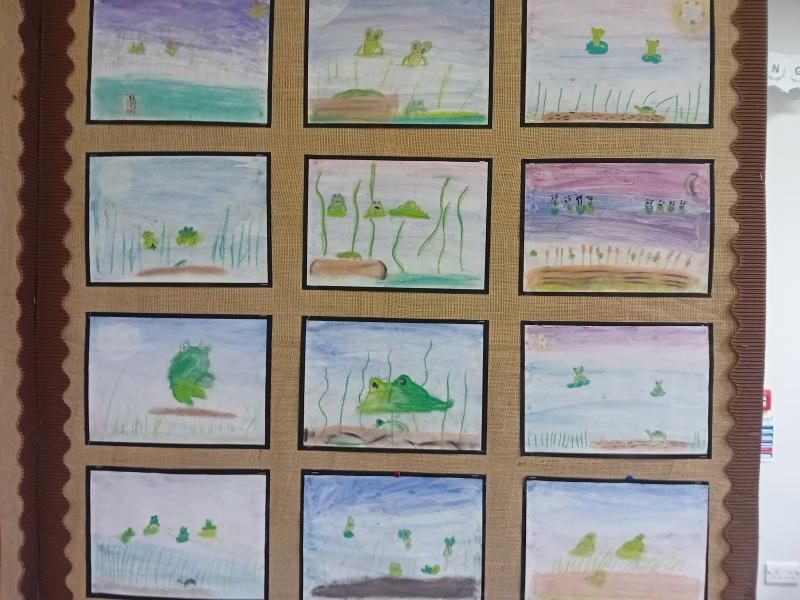
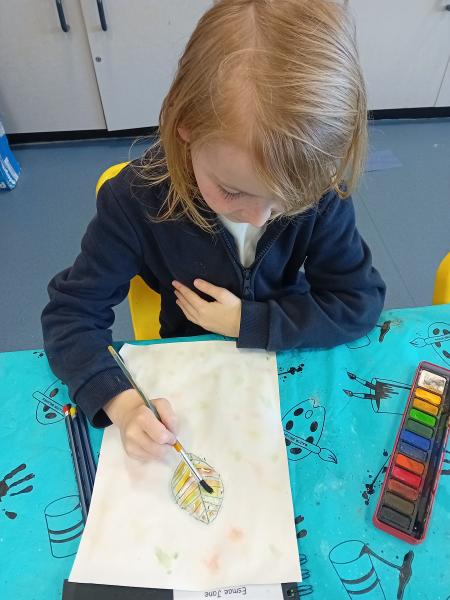
Children develop painting skills through a progressive curriculum aligned to the National Curriculum. In EYFS, children explore colour and paint through sensory play, experimenting with tools, materials and mark-making while expressing ideas and feelings. In Key Stage 1, pupils develop control and confidence, learning to use primary colours, mix secondary colours, apply paint with different tools and begin to add detail and texture. In Lower Key Stage 2, children extend their technical skills by mixing a wider range of colours, exploring tone and shade, using different brush techniques and painting with increasing accuracy and purpose. In Upper Key Stage 2, pupils refine their skills by confidently mixing colours to create mood and effect, applying tone, texture and composition with control, experimenting with a range of painting styles and media, and evaluating and adapting their work in response to artists and designers.
Pupils develop sculpture skills through a structured progression aligned to the National Curriculum. In EYFS, children explore three-dimensional materials through play, experimenting with clay, dough, and recycled objects to create simple forms and express ideas. In Key Stage 1, pupils develop control and confidence, learning to shape, join and model materials, explore texture and pattern, and make simple representational forms. In Lower Key Stage 2, children build technical skills by using a wider range of materials and techniques, including carving into soap and clay, modelling and assembling, developing an understanding of proportion, structure and form. In Upper Key Stage 2, pupils refine their skills by creating more complex and purposeful sculptures and structures when looking at architects, combining materials, exploring scale and texture, responding to artists’ work, and evaluating and adapting their pieces with increasing independence.
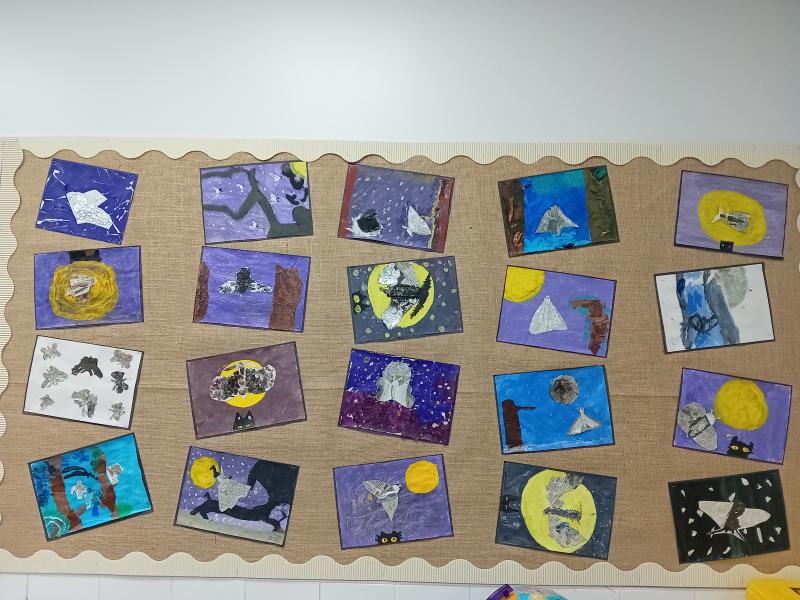
In EYFS, children explore simple printing techniques through mark-making with everyday objects, experimenting with patterns, shapes, and colours. In Key Stage 1, pupils gain confidence in creating prints using a range of materials and tools, learning basic techniques such as stamping, pressing, and repeating patterns, while exploring colour and design. In Lower Key Stage 2, children build technical skills by experimenting with layered prints, different textures and colours, and more complex patterns, developing accuracy, control, and an understanding of positive and negative space. In Upper Key Stage 2, pupils refine their skills by creating detailed, multi-layered prints, combining techniques and media, exploring patterns and textures with purpose, and evaluating and adapting their work in response to their own ideas and the work of artists.
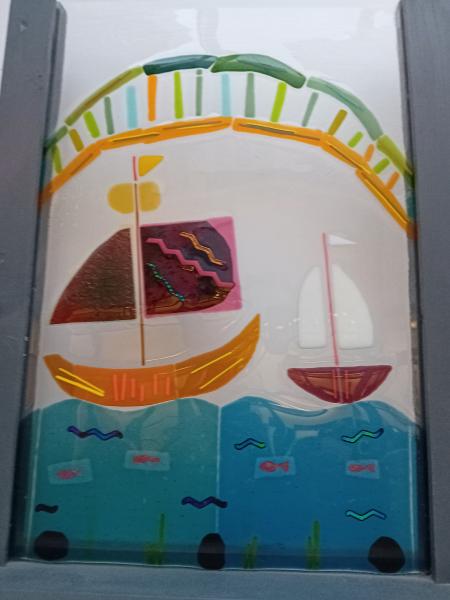
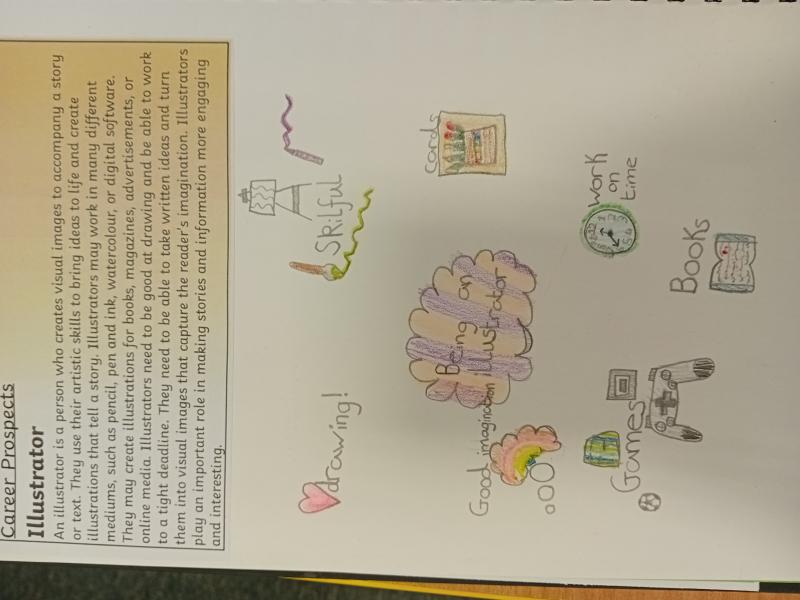
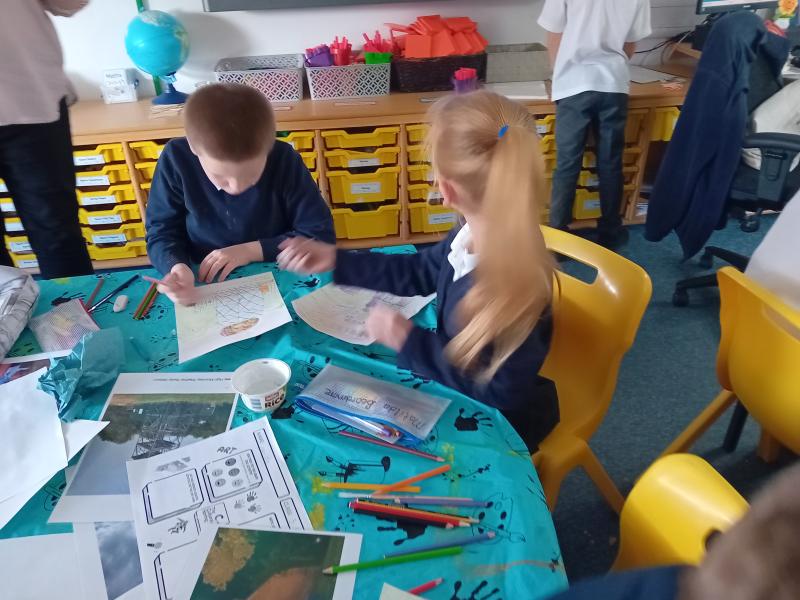
At our school, children have rich opportunities to engage with art beyond the classroom. They study local artists and explore creativity in their community and visit art galleries to experience professional work first-hand whenever possible. Careers links are incorporated into units of learning to raise aspirations and help children understand the wide range of career opportunities connected to art and design. Every child has the chance to participate in Arts Award at Discover level before leaving our school, ensuring that all pupils celebrate their creativity, build confidence, and gain recognition for their artistic achievements.
Impact
In Art and Design, pupils build secure, long-term knowledge through a carefully sequenced curriculum that revisits and extends key skills and concepts over time. Learning is designed to prepare pupils for the next stage of education, equipping them with the confidence, technical ability, and creative thinking needed for secondary school and beyond. Teachers continually check understanding through observation, discussion, sketchbook work and practical tasks, using this assessment to inform future teaching and ensure that learning is consolidated and progressed effectively.